On a windy Wednesday, I enjoyed a teenage cyclist called Mia rest her hand gently on the neck of a chestnut gelding called River. She had actually shown up with her shoulders up near her ears, eyes darting, breath shallow. River shifted, sighed, and dropped his head. Mia's breathing adhered to. No one cued her to breathe in for 4 matters or exhale for 6, but the rhythm located her anyway. 10 minutes later on, River mirrored her brand-new solidity by licking and eating, a small equine signal that stress was softening. It is not magic. It is a living responses loophole in between a target animal that reviews the globe with sensation and a human discovering to trust their own.
That loop rests at the heart of equine-assisted services. Whether a session appears like therapeutic horsemanship with installed job, or equine-assisted activities on the ground, the goal is similar: construct a straightforward, symbolized conversation where nerve systems can downshift, interest can stimulate, and strength can grow.
What horses offer that a fitness center or therapy area usually cannot
Horses track credibility in a manner individuals hardly ever do. Their survival relies on reading intent, power, and micro-tension long prior to a word is spoken. Step into a paddock with a head loaded with fixed, and you will certainly see a steed pin an ear, leave, or stand like a stone, unmoved by blended messages. Show up with coinciding signals, and the same equine will certainly match your rate, time out when you stop, and fulfill you at a border you hold with clearness and compassion. That immediate, nonjudgmental comments builds somatic recognition much faster than any type of mirror or checklist.
For clients who have a hard time to define emotions, this issues. I have collaborated with adults that can state trauma in a level tone, yet could not sense tightening in their shoulders up until an equine declined to relocate. We would stop briefly, scan for pressure points in the body, soften the knees, and, like clockwork, the equine would certainly sigh and take a progression. This is somatic recovery with horses in real time: seeing, adjusting, witnessing the result. Over weeks, that ability transfers to life. Individuals start to capture the spike in anxiousness before a meeting, or the closure that complies with a vital e-mail, and they learn methods to reset.
There is additionally a scale mismatch that aids. A 1,000 pound animal invites respect. You can not phony patience or bulldoze your method to link. Great equine-facilitated wellness programs established tasks that look basic, such as leading a horse via a collection of cones, and permit the steed to offer straightforward feedback regarding exactly how you are leading. If you tighten your grasp, the equine may grow his feet. If you hurry, he might crowd you. When you find a focused, relaxed instructions, he usually drops in step. That clearness, exercised time and again, splashes outward into conversations with partners, colleagues, and kids.
How sessions actually work
Equine-assisted services cover a broad landscape. Think of 3 large buckets, with lots of overlap. Healing horsemanship usually includes installed elements taught by qualified trainers and can attend to equilibrium, coordination, and confidence along with emotional regulation. Equine-assisted tasks are commonly ground based and focus on relationship skills, communication, and sensory regulation. Equine-assisted mentoring, sometimes called equine-facilitated mentoring, utilizes the steed as a co-facilitator for personal or leadership advancement. The tags matter less than the method. An experienced team will fulfill a customer's goals and adjust in the moment.
Here is a typical session arc I use with grownups and teens looking for anxiousness support with horses.
- Arrival and check-in. We evaluate the week, established a simple objective such as observing breath during shifts, and agree on today's safety boundaries. Warm-up with a law technique. Power stance is out, inquisitiveness is in. We could explore grounding feet in crushed rock, matching River's breathing, or tracking sights and sounds. Task with the horse. Leading through cones, haltering from a pasture, grooming with attention to pressure, or freedom operate in a rounded pen. The factor is to develop clear asks and observe the steed's response. Debrief and takeaway. We translate equine feedback into language the client can utilize somewhere else: what did you see first in your body, just how did you determine to stop briefly, which hint obtained the feedback you wished for. Cool-down. A min or 2 of tranquility, a hand on a cozy neck, or a walk back to the barn lining up actions and breath.
For mounted sessions, I add a tack check, mounting block routine that highlights authorization, and short patterns at the walk. We may run if policy skills hold. If not, we reduce without pity. The horse's state and the cyclist's state both established the pace.
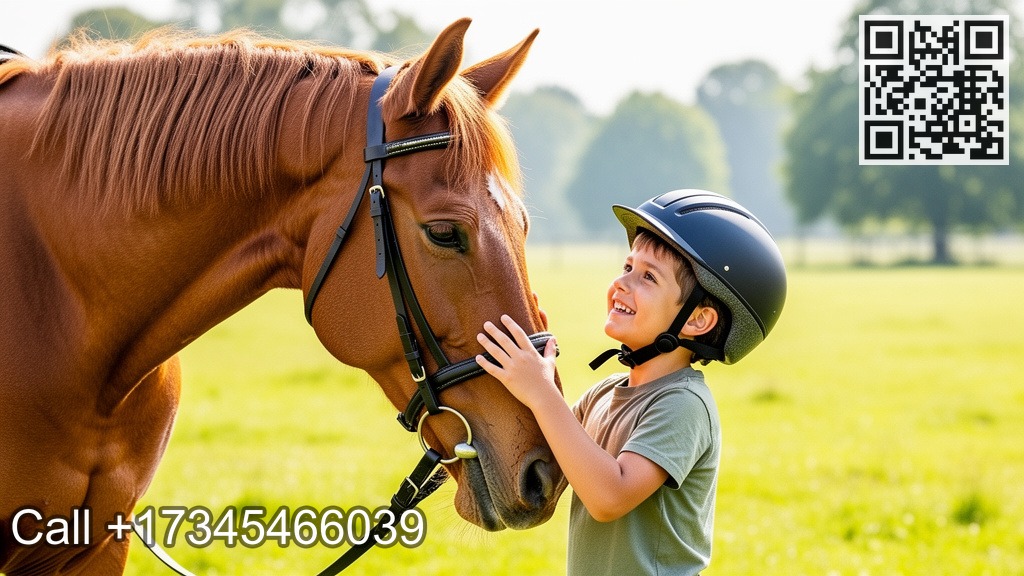
Safety is not flexible. Helmets for mounted work, closed-toe shoes constantly, and clear functions. Consent matters on both sides. If a steed pins ears throughout brushing, we do not press via. We step back, reassess stress, and welcome a various touch. Customers discover that no is info, not a failure.
The science without the jargon
No single mechanism clarifies why equine-assisted tasks assist, but numerous strings make good sense. Rhythm matters. People co-regulate, therefore do steeds. Several customers resolve as they match a steed's slower chewing, head bobbing, or breath. Uniqueness matters as well. A barn is abundant with sensory information that resets rumination. The study literary works, which varies from tiny qualitative studies to randomized trials with blended roughness, indicate renovations in self-efficacy, mood, and social functioning throughout a variety of programs. Physiologically, heart rate variability typically boosts over a session. The result dimensions vary by population and program design.
Here is the line I use with customers that request for the why. Steeds offer prompt, personified responses. People exercise adjusting state, not simply thoughts. The technique occurs in a context that demands clearness, regard, and perseverance. Do it regular for 8 to 12 weeks, and you develop a stack of experiences that your nerve system can draw on later.
When attention wanders, the equine will certainly inform you
I once worked with a nine-year-old who had a diagnosis of ADHD and a mind like a pinball equipment. We maintained placed time short and sensory time rich. He assisted measure feed, counted unguis picks right into a bucket, and pressed a wheelbarrow like a little forklift driver. After that we led a horse through a puzzle of posts, 10 advances, three go back, time out. If his eyes drifted to the swallows in the rafters, the horse drifted with him. When he discovered to name three shapes in sight prior to taking an action, the pony stayed with him. That is ADHD equine learning support at its finest, not a reward system but a focus fitness center that uses real-world consequences.
Parents ask about application. For numerous kids with attention difficulties, 45 to 60 mins once a week functions, with a mix of jobs and brief reflective stops briefly. The secret is establishing bench at reachable, then boosting intricacy by one notch. Attempt haltering from a vast pen before a slim stall. Switch to a rope with a various feel. Add a moderate disturbance like a tarp waving. Maintain success constant and authentic.
Sensory systems enjoy the barn
For people with sensory handling differences, the barn can soothe or bewilder, and the difference resides in style. I construct an Alternate therapy for sensory difficulties prepare with the client and any type of caretakers. We pick the quietest time of day, present scents and textures progressively, and honor preferences. Some clients find a soft muzzle to stroke much more tolerable than brushing a shaggy flank. Others like the rhythm of sweeping an aisle in equal strokes much more than the surprise of an equine changing weight.
Mounted work can be powerful when ideal. The swing of the walk provides vestibular input, and the heat of a steed's back helps with proprioception. I include easy patterns, such as figure at a walk, that give predictability. The autism equine finding out program I co-led ran tiny teams of three to 4, with one equine per individual and two staff ready to step in. We maintained language spare and clear, secondhand visual timers, and used ear defense without preconception. Development looked like longer periods of comfy interaction, smoother transitions in between tasks, and a bigger series of tolerated sensations.
Anxiety has a rhythm too
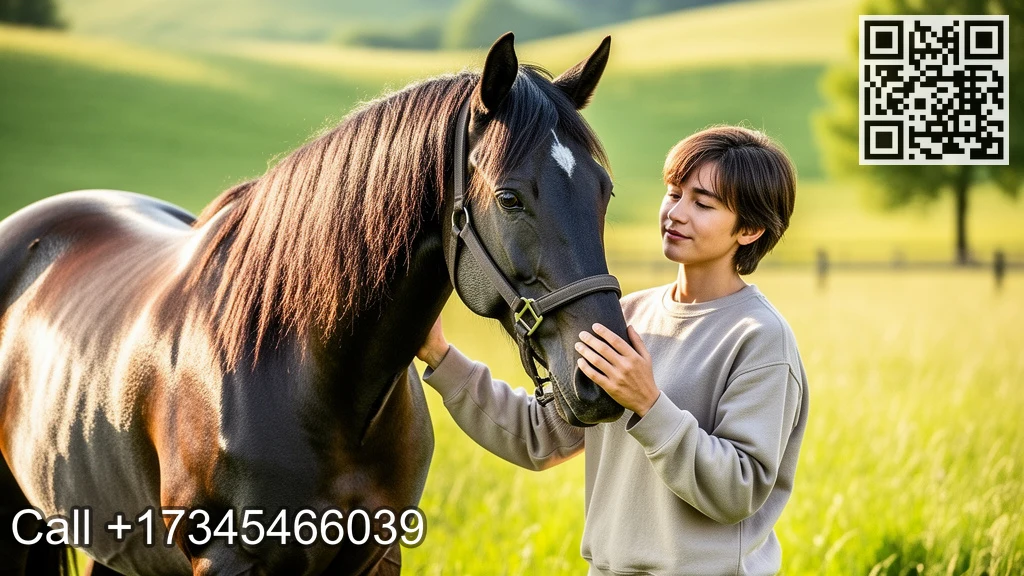
Adults with anxiety commonly get here with 2 worries. One is apparent, the size of the equine. The other hides in behavior, the concern of being seen in a location where body movement gives every little thing away. We name both, then produce a scaffold. Begin outside the fence, observe herd dynamics, and method breath recognition with an aesthetic anchor such as the sweep of a tail. Move to grooming when we see indications the system is loosening up, like warmer hands or a voice going down half an octave. Leading via cones is not an examination. It is a way to feel what occurs when body and intention line up.
I watch on perfectionism. If someone starts to push for an A quality, the horse will frequently slow down or tip away. It is an excellent prompt to move from end result to process. Anxiousness support with equines flourishes on a collection of tiny, clean representatives made with curiosity. Over a couple of months, clients report sleeping much better the evening after sessions, dealing with jampacked grocery store aisles with less reactivity, and recovering from spikes faster.
Teams, count on, and unguis on the ground
Team structure with horses is loud in the very best way. People laugh, argue, and afterwards go peaceful when a mare declines to tip over a reduced pole up until two associates in fact make eye call and agree on a strategy. You can not lobby a steed. You have to straighten. In equine-assisted training for teams, I set up tasks that require shared interest and clarity. One fave: move an equine via a labyrinth without touching the lead rope, utilizing just position and breath. Someone undoubtedly tries to be the boss. The equine plants. One more person tries to disappear. The horse wanders to consume yard. When the team locates a clean department of roles, the horse moves via the labyrinth with them.
Leaders take certain lessons from equine-facilitated mentoring. Horses do not comply with titles. They respond to visibility that is calm, clear, and responsive. A leader that can widen recognition under pressure, change without collapsing, and hold boundaries that really feel reasonable will see a far better equine action than someone who increases volume or abdicates. Those are the same abilities that drive human teams.
What progression looks like, and just how to notice it
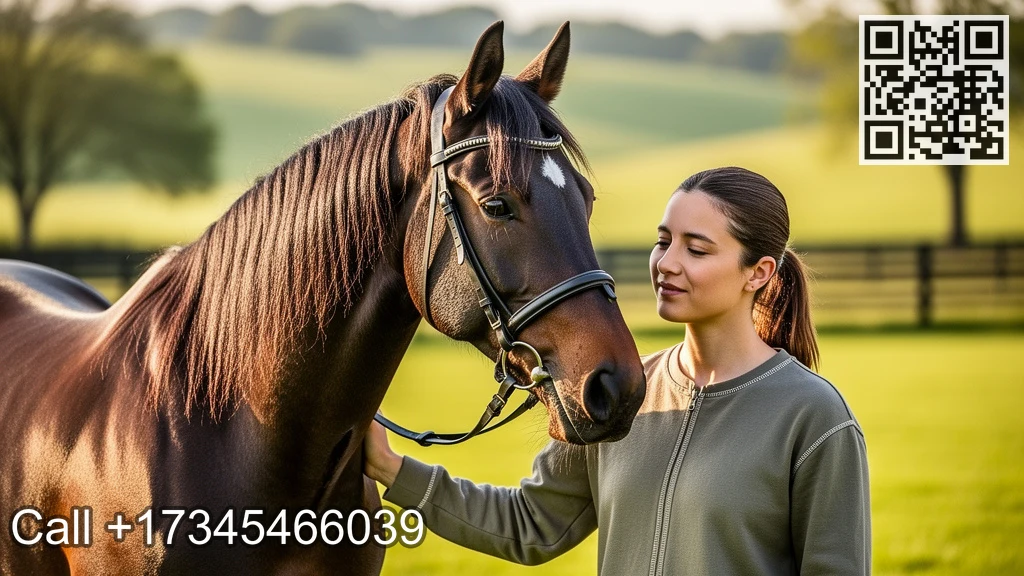
Progress in equine-assisted activities tends to show up in 3 domains. Physiological markers change first. I try to find softer face muscle mass, smoother swallow, and a decrease in shoulder elevation determined versus a fence board. Behavioral markers adhere to. Customers stop before pulling on a lead rope, or request for aid faster as opposed to soldiering on. Cognitive assimilation comes last. Individuals inform better stories about what occurred, linking a cue, a reaction, and a choice they made. With each other, that set of three resembles durability that sticks.
Not all days move forward. Warmth, wind, or a rough morning can nudge a session sideways. I keep one modest metric accessible: the healing window. For how long does it take to notice dysregulation and go back to choice. When that home window diminishes over weeks, we get on track.
Working ethic: steeds are companions, not tools
Ethical care is not optional. The welfare of horses in any type of equine-assisted services program must show up in their problem and habits. I anticipate glossy coats, healthy and balanced weight, clean water, and turnover with suitable friends. Routines have to include rest days, and session intensity need to match each horse's ability. Authorization turns up in tiny selections. If a horse relocates away throughout haltering, we do not chase after. We readjust approach. If a gelding flips his tail and tenses when a brush touches a hip, we look for skin problems and button devices, not force compliance.
When horses are treated as partners, customers learn relationship, not control. That lesson equates much beyond the barn.
Choosing a company wisely
Credentials vary by area, yet you can still make a grounded choice with a little homework.
- Ask regarding training and extent. Are team licensed in therapeutic horsemanship, psychological health and wellness, or mentoring, and do they stay within those lanes. Observe a session. Do horses look unwinded between jobs. Do customers appear supported without being micromanaged. Review safety methods. Helmets for mounted work, clear emergency situation plans, and fit-for-work horses are standard. Clarify objectives and steps. Just how will progress be tracked over 8 to 12 weeks, and just how will sessions adapt if goals shift. Discuss steed welfare. Rest days, vet care, yield, and retirement plans speak volumes.
If you hear hard markets or wonder cases, walk away. Excellent programs welcome subtlety and will readily refer out when a customer's demands surpass their scope.
Costs, logistics, and sensible timelines
Pricing depends upon place and staffing. In the USA, ground-based equine-facilitated coaching frequently ranges from 100 to 250 dollars per hour. Therapeutic horsemanship with placed elements may cost 60 to 150 bucks per lesson, occasionally sustained by grants or contributor funds. Group group experiences can run greater per session yet lower each. Insurance protection is unusual unless solutions are billed under a qualified psychological wellness service provider, and also after that, plans vary.
Frequency matters greater than size. A constant tempo of once a week or once every two weeks sessions over 8 to 16 weeks constructs energy. Several customers taper to month-to-month upkeep after a focused series. Climate can disrupt. Good programs have indoor alternatives or structured no-horse days that still comply with the arc of discovering, readjusting, and exercising regulation.
Techniques that carry home
Not everybody has an equine in their backyard, so I offer customers simple practices that echo barn job. Two faves:
- Visual monitoring with breath. Choose a slow-moving target, like a tree branch in the wind. Suit your breathe in as the branch climbs, breathe out as it falls, for 2 minutes. The body acknowledges the exact same open focus made use of to check out a steed's signals. Boundary wedding rehearsals. Place 2 house things on the flooring six feet apart. Practice strolling a straight line between them while keeping shoulders kicked back and eyes soft. Add a micro pause at each challenge really feel feet on the ground. That is the same clarity you use on a lead line.
Both build the muscle mass of switching from one-track mind to wider awareness, the core of resilience.
Edge cases and clever adaptations
Equine-assisted tasks are not a fit for every person at every moment. Serious allergic reactions can be managed with antihistamines, masks, and brushing protocols, but in some cases the barn is just not practical. Severe psychosis or uncontrolled aggressiveness is past range for the majority of programs. Orthopedic restrictions may call for mindful matching to extremely stable equines and the assistance of a physical therapist if installed job is desired.
There is also the issue of background. Customers who have experienced violence involving pets may find equine setups also charged, at least originally. Others that show up stoic may flood internally. The remedy is pacing and selection. I maintain the initial couple of sessions light, offer numerous ways to claim no, and regularly examine that interest outweighs fear.
What makes experiential learning with steeds stick
Talking around tension places us in our heads. Experiential understanding with horses drops us right into experience, timing, and relational influence. You can see a horse's ear flick toward you when your voice warms. You can really feel relaxed reappear in a lead rope when your jaw unclenches. The understanding lands since it is gained, not argued. Clients bear in mind the day a mare followed them throughout the arena after a tough discussion more clearly than any worksheet concerning dealing skills.
That stickiness is why equine-facilitated wellness programs significantly partner with institutions, recovery centers, and companies. A half-day on the ranch can reset patterns that loads of memoranda could not touch.
A couple of genuine stories, names changed
Javier, a 42-year-old firemen, arrived after a string of sleep deprived months. We invested the very https://jsbin.com/?html,output first session observing herd activity. He explained a gelding on the edge of the team, scanning. We called the look, the weight on the outside of the hooves, the brief exhales. Two sessions later, Javier recognized the exact same pattern in himself when his station tones sounded. He began a micro practice at the workplace, two long exhales and a shoulder roll prior to standing. Nightmares reduced over 4 weeks.
Naomi, twelve, on the autism range, despised changes. She would freeze at the installing block, even on her preferred horse. We constructed a routine with an aesthetic timer and 3 tasks she did in the very same order each time: check the girth, touch the mane, take a breath with the horse's neck for 5 matters. The freeze shortened, after that disappeared. Her mommy reported smoother shifts to bedtime, utilizing the very same three-step rhythm.
A small start-up scheduled a team day. 2 participants maintained bumping heads over product top priorities. In the field, they tried to lead a mare through a serpentine training course with both of them on the rope. It was a conflict up until they went back and decided one would set direction while the other took care of pace. The mare moved through the pattern. They carried the very same roles right into their following sprint conference and shipped on time.
If you are just obtaining started
You do not need a grand strategy. Curiosity and a great fit go a long means. Reach out to programs in your location that supply equine-assisted activities or therapeutic horsemanship. Request a brief telephone call. Share what you wish will alter, whether it is resting via the evening, taking care of shifts at school, or structure steadier leadership presence. A thoughtful carrier will certainly detail an initial block of sessions, suggest whether ground job, placed work, or equine-assisted training suits your objectives, and established clear expectations concerning security and progress.
The barn will deal with the remainder. Steeds have been shaping human nervous systems for thousands of years, not by lugging us heroically into sunsets yet by urging that we bring our full, straightforward selves to the minute. When we pay attention, we find a rhythm that steadies. When we practice, we locate strength that travels with us, back right into offices, classrooms, cooking areas, and the complicated areas where equilibrium matters most.