A horse's breath fogs in the very early chill. A trainee with distressed hands steadies the lead rope, listens to the soft chink of a little bit on steel, and really feels based by the weight of a thousand quiet pounds next to them. The job looks easy from the fence line. Inside the arena, absolutely nothing is easy, and that is the gift. Equines mirror objective, test limits in the kindest means, and work out only when people settle. With the ideal structure, that dance ends up being development, season after season.
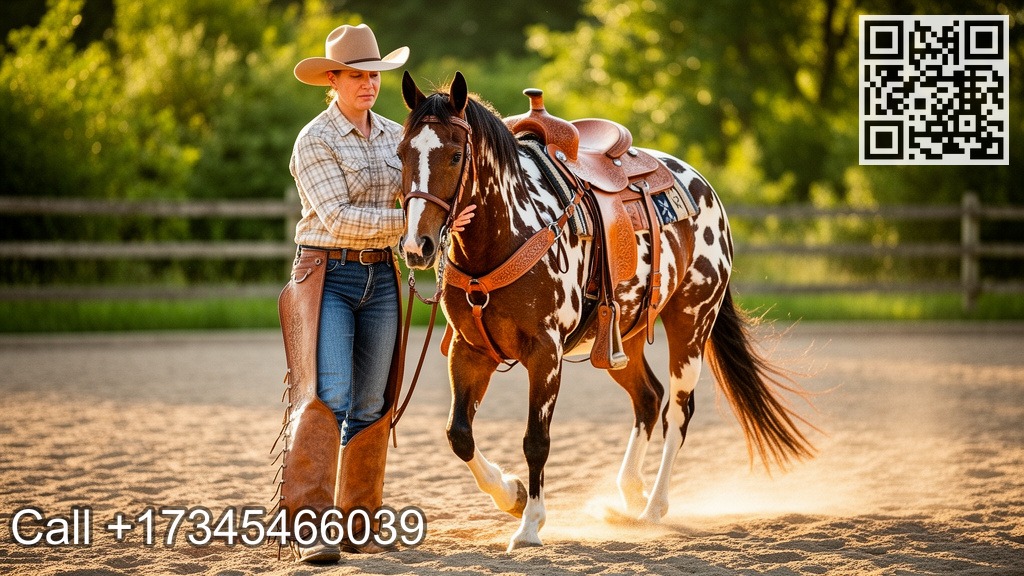
This is what year-round equine-assisted services can provide. Whether the aim is healing horsemanship for a youngster on the autism range, equine-facilitated wellness for a burned-out expert, or team structure with equines for a leadership team, consistency throughout springtime rainfall, summer season warmth, autumn wind, and crisp winter stillness keeps the discovering to life. The periods do not disrupt the job, they strengthen it.
Why steeds help, and exactly how the job differs
The umbrella term equine-assisted services covers a group of methods that utilize steeds to support learning, health, and individual development. The distinctions matter.
Therapeutic horsemanship emphasizes skill building pertaining to steed care and riding, frequently with adaptive tools and a modern strategy. It pairs normally with ADHD equine finding out assistance, where the framework of pet grooming, tacking, and riding ends https://tysoneqij798.wpsuo.com/autism-friendly-trails-an-equine-discovering-program-that-invites-all up being a functioning lab for emphasis and impulse control.
Equine-assisted tasks include non-therapy learning, leisure, or skill technique, such as foundation courses that establish interaction and body understanding. Many barns incorporate this category for customers who do not require healthcare payment but thrive with experiential understanding with horses.
Equine-assisted training, often called equine-facilitated mentoring, uses mentoring concepts to goal-oriented change for grownups or groups. The equine becomes a psychophysiological feedback companion, mirroring harmony and leadership style. This converts well to group structure with horses, where a team negotiates tasks with a steed at liberty or on a lead, after that debriefs just how roles, pressure, and clearness affected the outcome.
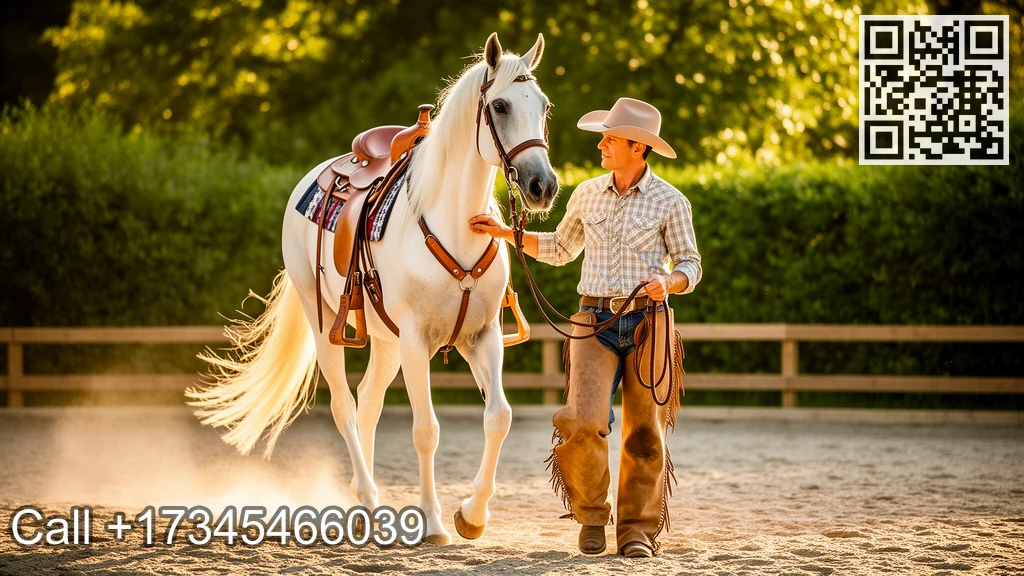
Equine-facilitated health leans into nerves policy and durability. It is a solid fit for stress and anxiety support with horses, somatic recovery with horses, and Alternate therapy for sensory challenges when delivered by experts learnt trauma-informed practice. Some companies are additionally accredited clinicians. Others companion with mental wellness professionals to maintain range and boundaries clear.
Every technique shares a structure. Horses respond to what exists, not what we say exists. They do not appreciate our titles or manuscripts. They respect whether our feet relocate with function, our breathing tells the truth, and our demands make sense. That is the constant teacher with cold wave and heat waves.
The rhythm of the year, in the arena and the pasture
Programs that run well all year lean into each period's all-natural lessons.
Spring brings unpredictable skies and vibrant steeds shedding winter months layers. Power runs high. On gusty days the barn aisle ends up being the class, and brushing transforms into a sensory-rich series. For an autism equine finding out program, this is a useful time to introduce predictable regimens around sound and movement. Short, frequent groundwork intervals aid trainees attune to their bodies, then remainder. Foals or yearlings, if present and appropriately managed, advise everyone that limits issue and timing issues more.
Summer often means longer daylight and, relying on location, warm and pests. Morning sessions help bikers and steeds prevent peak temperature levels. Mounted job might increase if ground is dry and risk-free, yet smart programs avoid pounding miles for thoughtful patterns that build balance and proprioception. Sensory considerations involve the forefront. Cooling breaks, water misters, and fly monitoring maintain things humane. Pupils with sensory level of sensitivities learn to browse layers of tools and stimuli, with team prepared to adjust strategies if a steed's tail swish or a humming bug becomes too much.
Autumn changes the light and the wind. Leaves rattle, shadows stretch, and even experienced equines can feel sharp. This period excels at equine-assisted training and group structure with steeds. Outside challenges with all-natural materials, from log stacks to tarp rivers, produce engaging metaphors for adjustment and unpredictability. The work additionally suits adolescents working with executive function. Preparation a path with a training course, discussing that provides the hint and when, then assessing what worked builds skills better than lectures.
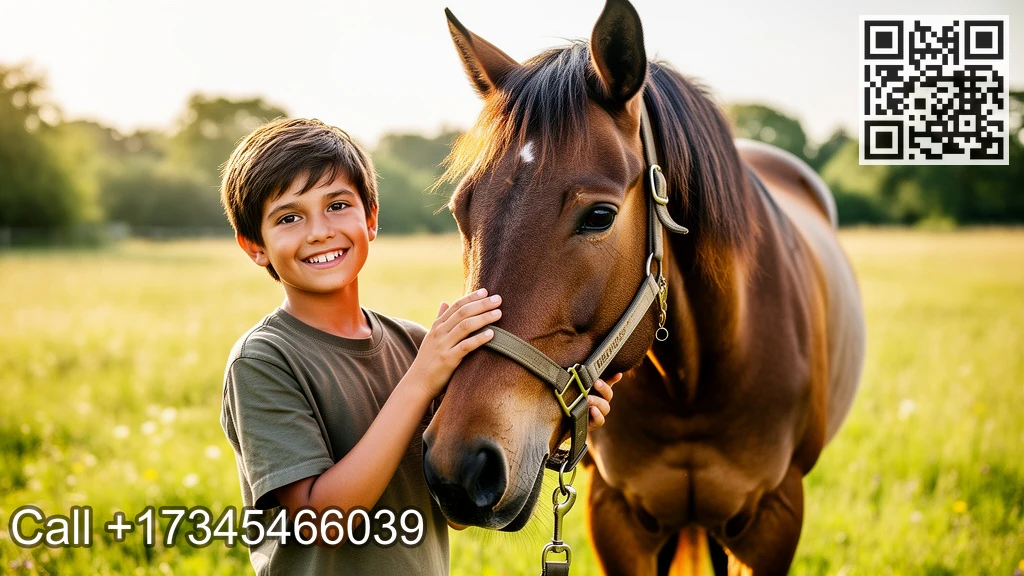
Winter slows down whatever down in a great way. If an indoor sector is readily available, the quieter soundscape and foreseeable surface urge deeper somatic recovery with equines. Foundation becomes a meditation. Straightforward breath-synchronized leading shows nerve system regulation. In regions without an interior space, brief barnyard sessions in the noontime sun, adhered to by warmed tack space debriefs, can be equally reliable. The chilly places a practical border around time on task, and the soft qualities of a woollen colder over a horse's back can be a controling sensory support for a person learning body-based soothing strategies.
Real people, actual changes
A young adult, 14, gotten here with a college report that reviewed like a weather report of storms: falling short qualities, missed out on research, lunch detentions. ADHD made his executive feature delicate, and shame had developed a thick skin. In spring we focused on consistency. He created a two-step plan on a whiteboard each session. Catch steed. Bridegroom. A 3rd action waited till the very first two came to be automated. By summertime he was riding walk-trot patterns that required him to call out pens prior to he reached them. In fall he trained a younger rider via the exact same pattern from the facility, uncovering that he could break tasks into workable pieces for someone else. Winter season brought a quiet breakthrough. Throughout an icy week we never left the crossties. He found out to pick hooves securely, a fine-motor task that previously sparked irritation. The next institution report showed enhanced task initiation. No wonder, simply constant transfer of a field practice to a workdesk habit.
An expert in his thirties, struggling with anxiety that seemed like power, came for equine-facilitated wellness. Placed job would have overwhelmed his system. We developed a basic procedure around leading a calm gelding on a loose line. He gauged his breath with the horse's footfalls. If the gelding raised his head, he stopped himself prior to the equine did. The policy was generosity to both nerves. After eight weeks he reported less nighttime spikes. He did not credit rating the equine with healing anything. He attributed the steed with showing him to notice the first roll of a surge and do something reliable in the first 30 seconds.
A school area brought a leadership group for an autumn resort. The job looked benign. Relocate a mare from one pen to one more without touching her. The team divided promptly right into talkers and moving companies. The mare ambled to the quietest individual, a paraprofessional who tipped sidewards smoothly and maintained her eyes soft. During the debrief, the superintendent recognized her own routine of over-directing. By winter the district had adapted meeting norms to consist of a min of silence before debate. They sent out a note in spring that meetings took less time and really felt less adversarial. Steeds do not distribute certifications, but they often seed a business shift.
Designing for various brains and bodies
People often ask what makes an autism equine finding out program job. Consistency and option do most of the heavy lifting. Aesthetic timetables on clipboards, placed where hands can reach them. Clear beginnings and endings to tasks, such as 10 brush strokes per side or walking from cone A to cone B, time out, after that back to A. Foreseeable changes anchor the session. Option enables ownership. Red pad or blue, baiting the left or right, quiting at the very first or 2nd cone. Decreasing novelty does not indicate lowering challenge. It means titrating adjustment so the nerve system can stay engaged.
For ADHD equine learning support, irregularity within structure helps. Timed periods maintain energy, while natural consequences offer responses. If attention wanders and the steed drifts, the biker feels it promptly. That immediacy, paired with a nonjudgmental debrief, transforms oops minutes right into data. Personnel trained in scaffolding will certainly recognize when to utilize spoken triggers, when to model the motion, and when to step back. A common regulation at my barn is attempt it your means once, after that attempt a recommended means when. Autonomy and training sit side by side.
Alternative therapy for sensory difficulties is not a euphemism for anything-goes. It is a careful construct of sensory input with leaves. The structure of curry combs, the audio of unguis badger concrete, the sway of a strolling steed, all can calm or bewilder. An excellent program provides several paths to success. If the noise of a girth clasp is as well sharp, we can desensitize slowly, or we can invest the session at liberty in a round pen, allowing the equine mirror strolling patterns from a range. The objective stays the exact same, capability structure, also if the course shifts.
Anxiety support with equines sets well with somatic approaches. Staff ought to recognize how to sign breath pacing, orienting to the area, and grounding via contact with a responsive surface area. Hairline adjustments issue. Resting a flat hand versus an equine's shoulder, as opposed to squeezing fingers right into a hair, can change the message the equine obtains and the inner message the individual sends out. We educate micro-skills and we show people to observe micro-wins.
Horses initially, always
The finest end results rely on healthy and balanced, ready equines. Year-round job calls for attention to herd dynamics, fitness, and remainder. Revolving steeds between programs maintains minds fresh. An elderly mare that beams in winter groundwork may require a lighter summer season routine. A young gelding that loves group obstacles might be a poor fit for sessions with abrupt shrill audios. Matching horse character to the work prevents a thousand small stress factors that amount to burnout.
Footing issues. Outside fields need water drainage that manages spring rain without developing suction pits. Summer season dust control protects lungs. Fall leaves can hide holes. Winter months freeze-thaw cycles produce slick spots that require traditional decisions. An interior arena, if available, should be examined for acoustics, lights, and risk-free spectator areas. Little adjustments help, like hanging sound-dampening textile or painting a high-contrast line along the kickboards to support aesthetic handling for bikers that gain from stronger boundaries.
Tack and tools choices must serve the rider and the steed. Adaptive reins, looped or laddered, assistance grasp without compeling wrist strain. Placing ramps decrease danger and preserve self-respect. For sensory-sensitive motorcyclists, softer saddle pads and quiet buckles minimize aversive stimulations. Every little thing is test and readjust. Nothing is one-size-fits-all.
Safety and danger administration that respect the work
Weather, ground, and herd mood change daily. Programs that hold solid boundaries likewise hold participant trust. A brief, simple seasonal checklist posted by the barn door maintains the team aligned.
- Confirm footing safety and security and readjust session plans. Check wind cool or heat index and set time limits. Review equine jobs based upon current energy. Prep sensory assistances and hydration stations. Establish a clear quit signal and emptying route.
Clear communication builds calm. Before a session, personnel describe the plan and the pivot. If the wind spikes, we will move to the round pen. If the equine flags, we will certainly change to brushing. If you wish to quit, say hand break and we will certainly stop every little thing. That structure offers people authorization to discover their own signals rather than muscling through.
A session arc that works throughout seasons
I have actually utilized many session frameworks. The one listed below adapts well from warm July mornings to icy January afternoons.
- Arrive and orient: welcome the area and the herd, name one goal. Regulate with each other: short breath or activity sequence with the horse. Task focus: one or two specific abilities that match the goal. Integration: go back, observe the effect, attempt a second representative or variation. Closure: acknowledge effort, name one transfer to life outside the arena.
This arc keeps the nerves on a manageable roller. It consists of a start that feels risk-free, a middle that requests challenge, and an ending that seals agency.
The training and company side
Equine-assisted coaching, whether branded or mixed, often comes to a head in springtime and autumn when weather condition invites longer outside representation. I favor ground-based activities. A normal exercise asks an individual to lead a steed through a V-shaped chute produced by poles. The area narrows toward completion, equally as projects do. People discover to adjust energy and clearness as constraints tighten up. Equines spot incongruence much faster than any type of coworker can. If a leader states they are loosened up while sending a wall of stress, the equine plants feet and flicks an ear. That minute, handled with respect, comes to be a mirror. Debriefs concentrate on choices, not character. When a group returns in winter months, we often recreate jobs in an indoor lane with fewer visual signs. The lowered stimuli draw out the quality of breath and timing, skills that generalize to long budget plan conferences or hard moms and dad conferences.
Measurement without shedding the magic
Skeptical stakeholders are worthy of information. We can measure results without squashing the experience. For healing horsemanship, track job analysis over time. The number of triggers to choose front feet, then hind. How long a cyclist keeps an organized publishing trot prior to shedding rhythm. For stress and anxiety assistance with steeds, use quick self-report ranges prior to and after sessions to capture changes in arousal. For ADHD equine finding out support, work together with schools to keep an eye on homework initiation or on-task time in class.
Counts should be coupled with stories. A graph that shows a cyclist went from 30 seconds to 3 minutes of continual focus lands harder when paired with a note from a moms and dad that supper is calmer since their child now makes use of a barn breathing video game at the table.
Staff, training, and scope
The individuals matter as much as the equines. Solid programs purchase staff training that fits their extent. Organizations like PATH Intl. Provide criteria and qualifications for trainers in restorative horsemanship. Designs such as Eagala emphasize ground-based, mental wellness specialist co-facilitated job. Numerous barns develop hybrid groups, coupling experienced equine professionals with educators, OTs, or counselors. Clear role interpretations stop drift. An instructor is not a specialist. A therapist is not a riding instructor. Every person can be trauma-informed, indicating we prioritize choice, authorization, and regulation.
Ongoing supervision and case examine keep the job ethical. Debriefs consist of steed welfare. If a gelding pins his ears in 3 sessions, we alter something. If a pupil dissociates every single time they mount, we decrease and adjust the strategy instead of pressing to examine a box.
Facilities that bend with the calendar
A modest facility can still run year-round with preparation. Shield structures and followers help in summer. Easy windbreaks and secure heating units assist in winter months. Lights that minimizes flicker lowers sensory stress and anxiety at sunset. Storage for seasonal equipment matters greater than individuals anticipate. Keeping quarter sheets, colders, fly masks, and rainfall sheets arranged and obtainable turns changes into skill-building minutes as opposed to scrambles.
Barn society additionally influences safety and end results. Peaceful published rules regarding voice quantity in the aisle, lead rope handling, and gates bring about less close telephone calls. Site visitors who really feel welcomed and oriented ended up being companions in maintaining a tranquil setting. The tone begins with personnel. Equines soak up whatever people leak. I as soon as changed a posted begin time by 10 minutes so team might finish preparation prior to the first vehicle arrived. Our herd cleared up within a week, just since we quit rushing.
Access and equity
Equine work is resource intensive, which can exclude families and areas that would certainly profit. Imaginative remedies assist. Partner with institutions to embed sessions into IEP supports. Deal team styles at reduced cost where appropriate. Look for gives for scholarships, specifically for underrepresented populaces in rural areas where horses become part of social life but solutions are scarce. Mobile groundwork programs that bring 2 steady equines to an institution or community center can get to young people that can not get to a barn. Security needs to drive these options, yet with thoughtful choice of equines and controlled atmospheres, outreach can be both risk-free and transformative.
The climate inside us
If there is one reality across the schedule, it is that people bring their own seasons. An individual in a July heatwave of despair could need the exact same silent, slow job we frequently get for January. A rider in a January sprint of pleasure may be ready to canter via poles in the snow, if footing and horse confidence permit. The work is to read both weather forecast, the sky's and the heart's, after that pick wisely.
I keep a little note pad by the tack area door. Each page is a session, a name, an equine, a word or more. Springtime: Eli, Finch, softening. Summertime: Maya, Taz, borders. Fall: Malik, Daisy, perseverance. Winter months: Priya, Dollar, breath. Those words are my compass when the wind changes.
Year-round equine-assisted services are not about squeezing programming right into schedules. They are about honoring the long arc of change and making use of each season's personality to instruct what the minute invites. Horses do not maintain score throughout months. They stand or move, look towards or away, and offer contact when we offer clearness. When we turn up consistently, clothed for the weather condition, all set to learn and ready to stop when sufficient suffices, development complies with. The hoofprints in springtime mud, summertime dust, autumn leaves, and winter frost inform the story.